
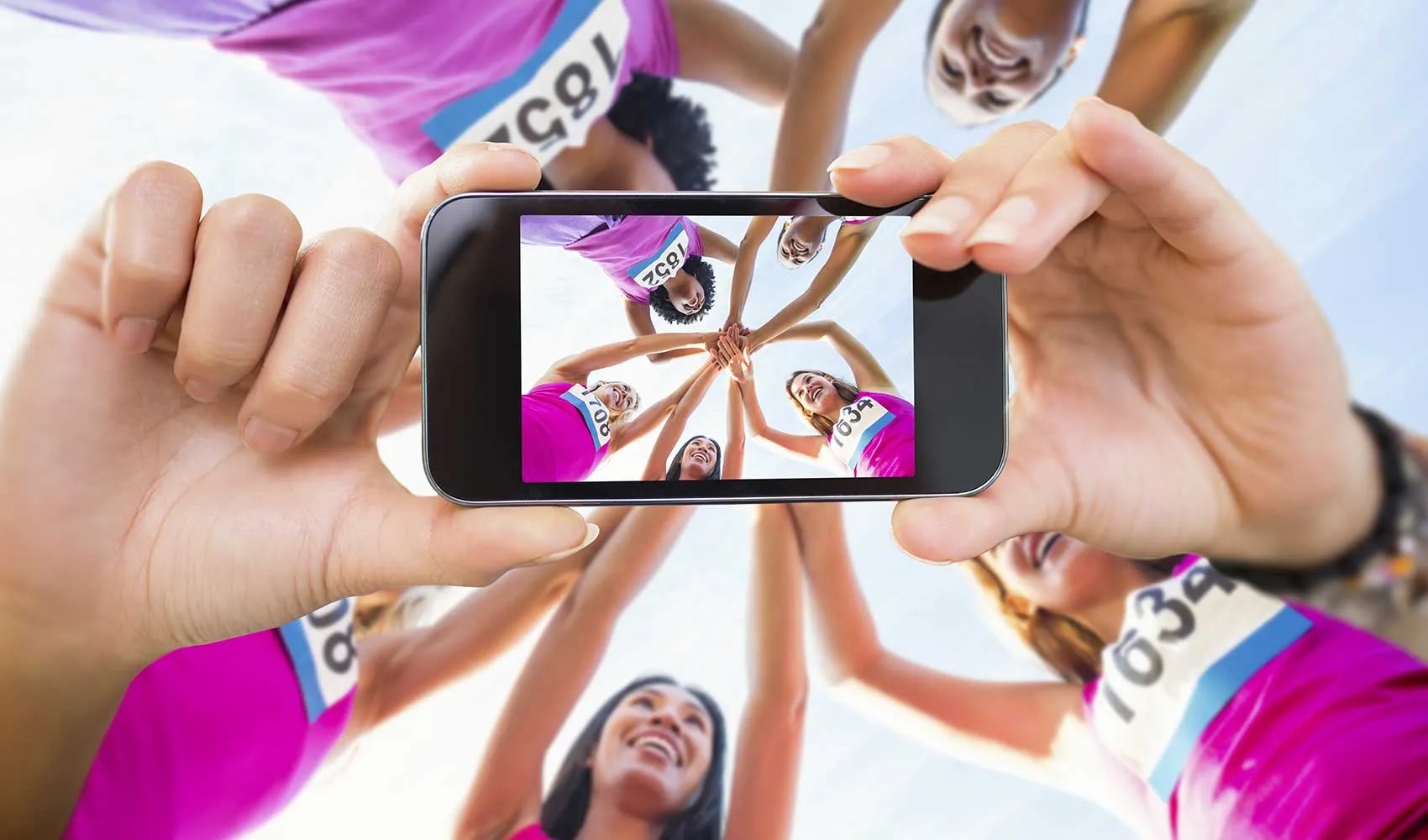
How to Use Social Media Effectively at Sports Events
In today’s hyper-connected world, social media plays a pivotal role in shaping the experience of sports events. Whether you are a sports team, event organizer, sponsor, or marketer, harnessing the power of social media during sports events can amplify your reach, foster deeper fan engagement, and elevate your brand in a crowded marketplace. This article explores proven strategies and best practices to use social media effectively in the dynamic, fast-paced environment of sports events.
The Power of Social Media at Sports Events
Sports events naturally generate high enthusiasm, emotion, and community spirit—perfect ingredients for social media interaction. Fans want to share their experiences, celebrate moments, and engage with their favorite teams or athletes. For organizations, social media becomes a real-time channel for storytelling, marketing, and relationship-building.
To tap into this potential, it’s important to approach social media with a coherent strategy that aligns with your event goals and audience preferences.
Crafting Compelling Content Tailored to Sports Fans
Content is king on social media—especially during live sports actions. To capture attention, content must be timely, relevant, and visually engaging. Consider the following:
- Live Updates and Highlights: Posting quick, exciting updates or highlight clips during the match keeps followers engaged and encourages real-time conversations.
- Behind-the-Scenes Access: Share exclusive content like locker room preparations, warm-ups, or interviews that fans wouldn’t see otherwise.
- Fan Spotlights and User-Generated Content: Celebrate fan participation by featuring their posts, photos, or reactions. This builds a sense of community and loyalty.
- Interactive Content: Polls, quizzes, and contests related to the game can generate buzz and invite active participation.
Leveraging the Right Platforms
Not all social media platforms serve the same purpose or attract identical audiences. Understanding where your target demographic spends their time is key:
- Twitter: Ideal for live commentary, breaking news, and direct engagement through mentions and hashtags.
- Instagram: Perfect for visually rich content such as photos, Stories, Reels, and short videos capturing thrilling moments.
- Facebook: Great for more in-depth posts, event pages, and audience segmentation through Groups.
- TikTok: A rising star for creative, short-form video content that connects with younger fans.
- YouTube: Best suited for longer videos, behind-the-scenes documentaries, and post-match analyses.
Harnessing Hashtags and Geo-Tagging
Hashtags unify social conversations and make your content discoverable. Create a unique event hashtag paired with popular sports-related tags to maximize reach. Geo-tagging your location helps local fans identify and engage with the event content easily.
Integrating Social Media with Onsite Experience
Physical events and social media should complement each other:
- Display live social feeds on big screens or boards within the venue to motivate fans to participate online.
- Encourage check-ins and photo sharing by creating dedicated selfie spots or branded backdrops.
- Use social media contests with on-ground rewards to boost interaction both online and offline.
Collaborations with Influencers and Athletes
Partnering with athletes, team members, or local influencers can lend authenticity and significantly increase your content’s appeal. Their social media reach can introduce the event to broader audiences and generate hype before, during, and after the event.
Monitoring and Responding in Real-Time
Social media during sports events moves fast. Monitoring mentions, comments, and hashtags allows you to address questions and feedback instantly, maintaining a positive dialogue with fans. This responsiveness enhances your reputation and strengthens fan trust.
Analyzing and Optimizing Post-Event
After the event concludes, analyze social media data to evaluate which content worked best and identify opportunities for improvement. Insights gathered help shape future campaigns and optimize your social media strategy for upcoming events.
Putting It All Together
Effective social media use at sports events requires a blend of strategy, creativity, and real-time responsiveness. By delivering engaging content, choosing the right platforms, fostering fan interaction, and integrating online and offline experiences, sports brands can build unforgettable moments that resonate far beyond the final whistle.


